

Fall and Winter Home Prep Checklist for Homeowners
Fall and Winter Home Prep Checklist for Homeowners
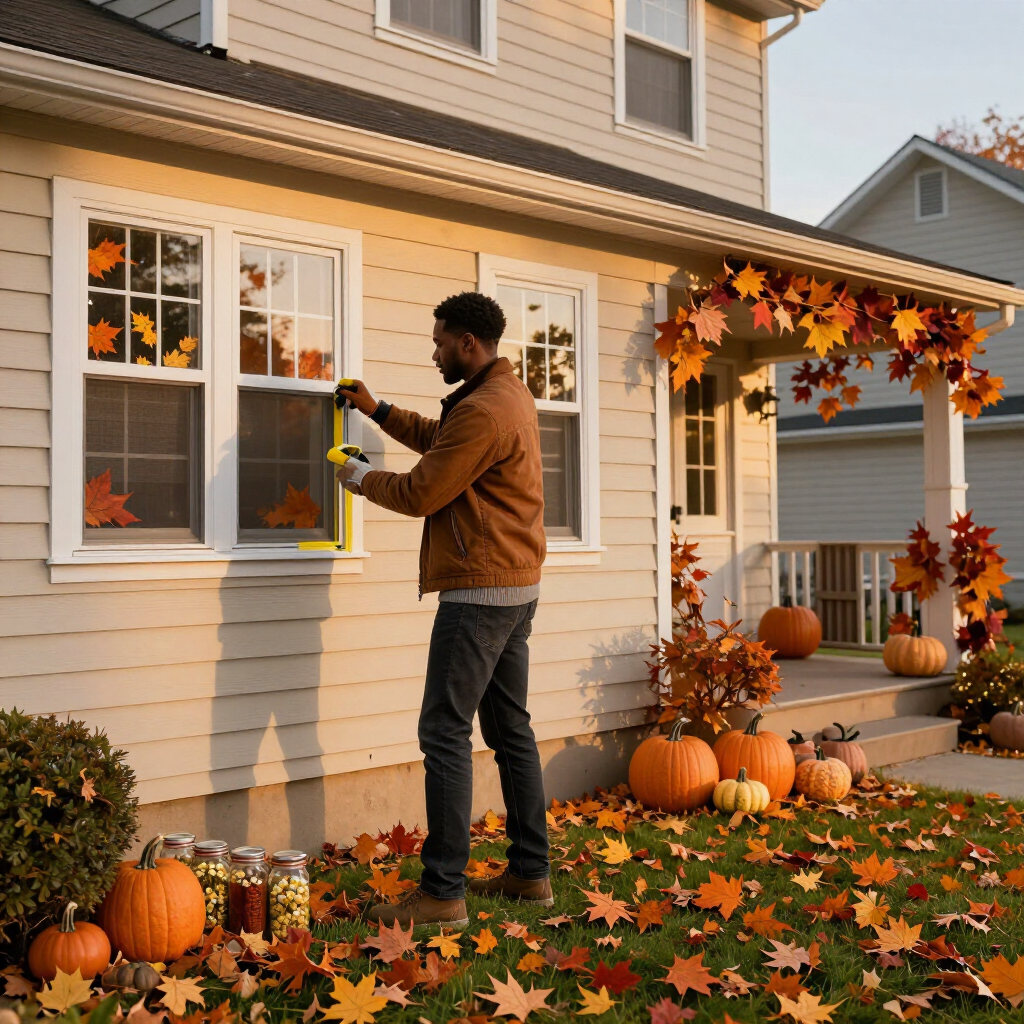
As the weather cools, a little preventive maintenance can protect your home from water damage, heat loss, frozen pipes, storm-related problems, and expensive emergency repairs. The best approach is to work from the outside in: secure the roof and drainage, seal the exterior, service heating systems, then prepare plumbing and indoor spaces for colder weather.
Start With the Exterior
Your home’s exterior is its first defense against wind, rain, falling leaves, and freezing temperatures. Aim to complete these tasks before consistently cold or wet weather arrives.
Clean gutters and downspouts
Leaves, pine needles, roof grit, and debris can clog gutters quickly in the fall. When water cannot move through the system, it may overflow behind siding, collect near the foundation, damage fascia boards, or contribute to basement and crawlspace moisture.
- Remove debris from gutters, downspouts, roof valleys, and drain guards.
- Flush gutters with a hose to confirm water flows freely.
- Make sure downspouts discharge well away from the foundation—ideally several feet away.
- Repair loose hangers, separated joints, and leaking seams.
- Trim branches that regularly drop leaves or rub against the roof.
If your gutters are difficult to reach safely, have a qualified professional clean and inspect them rather than using an unstable ladder.
Inspect the roof
A small roof issue can become a major leak during a season of rain, wind, and freezing temperatures. From the ground, look for:
- Missing, cracked, curled, or lifted shingles
- Damaged flashing around chimneys, vents, skylights, and valleys
- Loose roof vents or exposed fasteners
- Sagging areas, staining, or debris buildup
- Tree limbs hanging directly over the roof
Inside the attic, look for water stains, damp insulation, mold-like odors, or daylight coming through areas that should be sealed. Address roof concerns early—before winter storms make repairs more urgent and more costly.
Check siding, trim, windows, and doors
Cold air and wind-driven rain often enter through small gaps around windows, doors, utility penetrations, siding, and exterior trim.
- Re-caulk gaps around windows and exterior doors.
- Replace cracked or missing weatherstripping.
- Inspect exterior wood trim for rot, peeling paint, or open joints.
- Seal openings where cable, HVAC lines, plumbing, or electrical service enter the house.
- Repair damaged siding, loose shutters, or deteriorated exterior sealant.
- Check that exterior doors close tightly and latch properly.
A simple way to spot drafts is to stand near doors and windows on a windy day. If you feel cold air movement, the opening likely needs weatherstripping, caulk, adjustment, or repair.
Prepare Heating and Air Systems
Your heating system will work harder once temperatures drop. Servicing it before the first cold snap can reduce breakdown risk and help your home heat more evenly.
Schedule HVAC maintenance
Have a qualified HVAC technician inspect your furnace, heat pump, or other heating equipment before heavy winter use. A seasonal service visit may include checking electrical components, airflow, filters, safety controls, refrigerant performance for heat pumps, condensate drainage, and overall system operation.
Homeowners can also:
- Replace or clean HVAC filters as recommended by the manufacturer.
- Clear leaves, grass, and debris from around the outdoor heat-pump or AC condenser.
- Keep furniture, rugs, and curtains away from supply and return vents.
- Test the thermostat and confirm it changes from cooling to heating properly.
- Consider a programmable or smart thermostat schedule that lowers temperatures modestly when the home is empty or everyone is asleep.
For many Georgia homes, a heat pump is the primary source of heat. Keeping the outdoor unit unobstructed and maintaining clean indoor filters can help it operate more efficiently during colder periods.
Inspect fireplaces and chimneys
If you have a wood-burning fireplace, gas fireplace, or wood stove, inspect it before the first use of the season.
- Have chimneys professionally cleaned and inspected as appropriate.
- Remove bird nests, leaves, and other visible obstructions from the chimney cap area.
- Confirm the damper opens and closes correctly.
- Keep combustible decorations, furniture, and firewood away from the hearth.
- Test gas fireplace ignition and controls according to the manufacturer’s instructions.
- Store ashes in a metal container with a lid, away from the home and other combustibles.
Never burn treated lumber, painted wood, trash, cardboard, or construction scraps in a fireplace or wood stove.
Protect Plumbing From Freezing
Even in Georgia, brief hard freezes can cause outdoor faucets, exposed pipes, and poorly insulated areas to freeze. A burst pipe can release a surprising amount of water in a short time, so prevention is well worth the effort.
Winterize outdoor plumbing
- Disconnect and drain garden hoses.
- Store hoses indoors or in a protected area.
- Shut off and drain exterior water lines if your plumbing setup allows it.
- Install insulated faucet covers on outdoor spigots.
- Inspect hose bibs for drips or leaks before freezing weather arrives.
- Drain and protect irrigation systems according to the manufacturer’s and installer’s guidance.
If you have a sprinkler or irrigation system, ask your irrigation professional whether it needs to be shut down, drained, or otherwise winterized for your specific system and local conditions.
Protect indoor pipes
Pay special attention to plumbing near exterior walls, in crawlspaces, garages, attics, and cabinets.
- Insulate exposed water pipes where practical.
- Seal air leaks around plumbing penetrations.
- Keep garage doors closed during freezing weather.
- Open cabinet doors below sinks during hard freezes so warm indoor air can circulate around plumbing.
- Keep the thermostat at a consistent, safe temperature—even when traveling.
- Know where your main water shutoff valve is and make sure it is accessible.
If a prolonged freeze is expected, follow local utility or weather guidance on whether to allow a small trickle of water through vulnerable faucets. The right approach depends on your home’s plumbing layout, insulation, and the expected duration of freezing temperatures.
Improve Energy Efficiency
Fall is a good time to reduce air leaks and improve comfort before heating bills rise.
Seal drafts and air leaks
Common places for air loss include attic hatches, recessed lighting, exterior doors, windows, electrical outlets on exterior walls, plumbing penetrations, ductwork, and gaps around fireplaces.
Focus on:
- Weatherstripping around doors and attic access panels
- Door sweeps at exterior doors
- Caulk around window and trim gaps
- Foam gaskets behind outlet covers on exterior walls
- Insulation around exposed ductwork in unconditioned spaces
- Sealing gaps around pipes and wiring entering the home
Do not block intentional ventilation openings, appliance vents, dryer vents, or combustion-air openings. If you are unsure whether an opening is meant for ventilation, have a professional evaluate it before sealing.
Check attic insulation and ventilation
Attics play a major role in indoor comfort. Insufficient insulation can allow heat to escape through the ceiling, while poor ventilation can contribute to moisture problems.
Look for:
- Thin, uneven, compressed, or disturbed insulation
- Moisture staining or mildew-like odors
- Blocked soffit or ridge vents
- Gaps around attic hatches and penetrations
- Signs of pests nesting in insulation
An energy audit or HVAC professional can help identify whether air sealing, additional insulation, or duct improvements would provide the best return for your home.
Make Safety a Priority
The start of heating season is an ideal time to update your home safety routine.
Test alarms and replace batteries
Test every smoke alarm and carbon monoxide alarm in the home. Replace batteries where applicable, and replace any unit that is old, damaged, chirping, or no longer functioning correctly.
Place particular attention on:
- Bedrooms and hallways outside sleeping areas
- Each level of the home
- Areas near—but not directly next to—fuel-burning appliances
- Homes with fireplaces, gas appliances, attached garages, or gas furnaces
Also check that your fire extinguisher is accessible, fully charged, and not expired. Review your household’s emergency plan, including where everyone would meet outside in the event of a fire.
Prepare for storms and outages
Fall and winter storms can bring high winds, heavy rain, fallen limbs, and power outages.
- Trim dead or damaged tree limbs near the roof, driveway, and power lines.
- Secure patio furniture, grills, umbrellas, and outdoor décor.
- Check exterior lighting and replace burned-out bulbs.
- Keep flashlights, batteries, bottled water, shelf-stable food, and a first-aid kit available.
- Charge backup batteries and portable power banks.
- Review garage-door operation and know how to use the manual release if power fails.
- If you use a generator, operate it outdoors and well away from doors, windows, and vents.
Never run a generator, grill, propane heater, or other fuel-burning device inside a garage, basement, crawlspace, or enclosed porch.
Protect Landscaping and Outdoor Spaces
Your yard, deck, and exterior equipment also need attention before winter weather arrives.
Prepare the yard
- Rake leaves away from the foundation, drains, and outdoor HVAC equipment.
- Remove leaves from decks, porches, and walkways to reduce staining and slip hazards.
- Cut back dead or diseased plant material.
- Mulch garden beds as appropriate for the plants and local climate.
- Inspect retaining walls, drainage swales, and yard drains for blockage.
- Repair uneven walkways, loose railings, or trip hazards before wet weather makes them more dangerous.
Maintain decks, patios, and outdoor equipment
- Inspect decks for loose boards, popped fasteners, rot, and unstable railings.
- Clean and store outdoor cushions and fabric items.
- Cover or store patio furniture if appropriate.
- Drain and store pressure washers, hoses, and other water-based equipment.
- Check exterior outlets and GFCI protection.
- Service snow-removal equipment if you own it, even if snow is uncommon in your area.
A Simple Weekend Plan
If the list feels overwhelming, divide it into manageable stages.
Weekend one: Exterior and drainage
- Clean gutters and downspouts.
- Inspect the roof, siding, windows, doors, and trim.
- Trim hazardous branches and clear yard drains.
- Store hoses and protect exterior faucets.
Weekend two: Heating and efficiency
- Replace HVAC filters.
- Schedule HVAC and chimney service if needed.
- Seal drafts around doors, windows, and utility penetrations.
- Inspect attic insulation, ductwork, and ventilation.
Weekend three: Plumbing and safety
- Insulate vulnerable pipes.
- Locate and test the main water shutoff.
- Test smoke and carbon monoxide alarms.
- Refresh emergency supplies and secure outdoor items.
Final Thought
Seasonal maintenance is one of the easiest ways to protect your investment, preserve comfort, and avoid costly surprise repairs. Most fall and winter preparation tasks are relatively simple, but they can prevent some of the most common cold-weather problems: roof leaks, drainage issues, HVAC failures, frozen pipes, drafts, and storm damage.
For homeowners planning to sell in the coming months, completing these items can also improve curb appeal, reduce inspection concerns, and show potential buyers that the property has been well cared for.